Ottawa is home to various festivals and community events celebrating its multicultural identity, artistic expression and seasonal beauty.
These gatherings are the heart of the city, playing a significant role in the cultural, social and economic life while bringing together locals and visitors from across Canada and beyond.
As festival and community events grow, it is increasingly important to adopt sustainable practices such as environmental preservation, social responsibility and ensuring the long-term success of not only the event but also the community where it takes place.
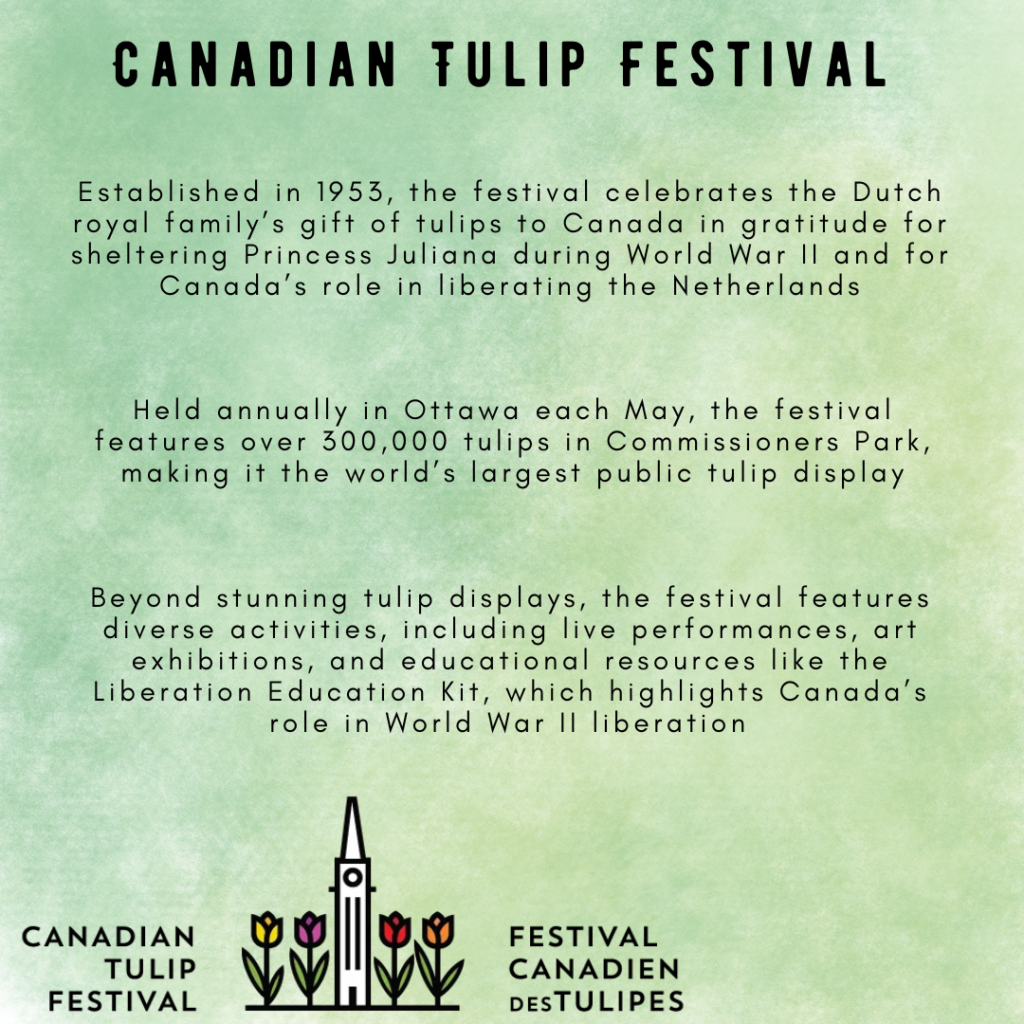
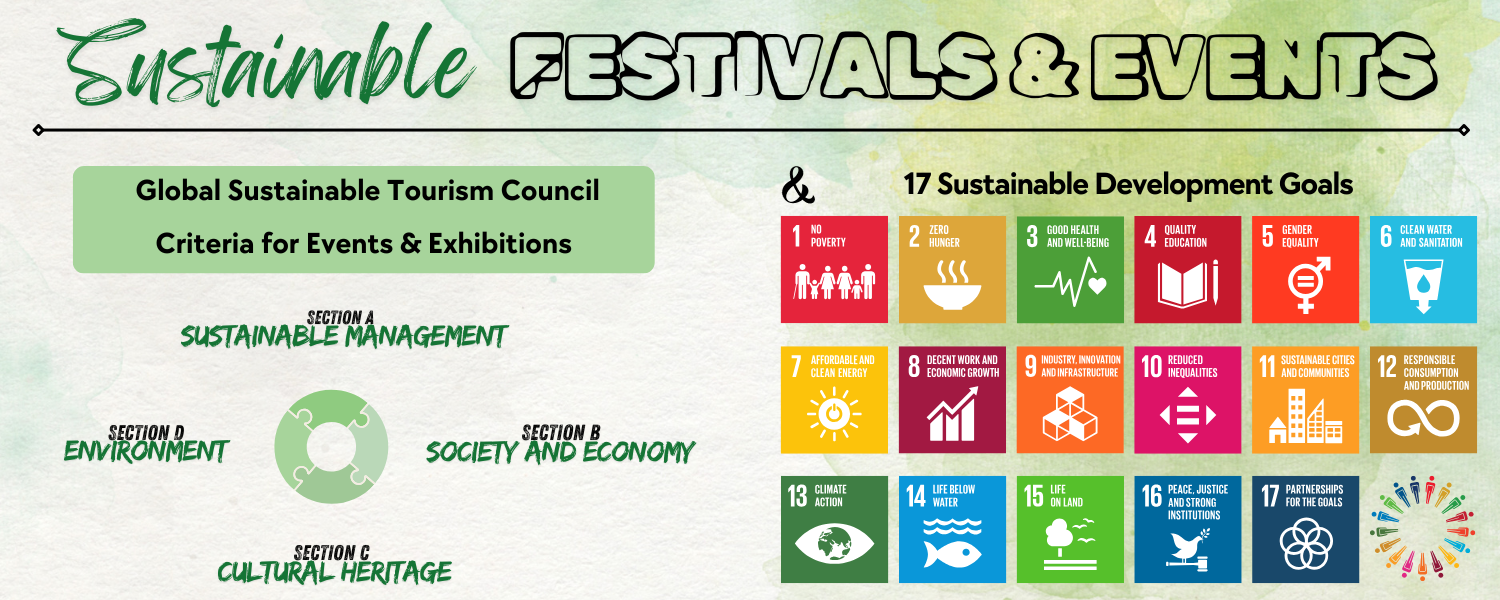
The Canadian Tulip Festival has identified 9 SDGS of the United Nations Sustainable Development Goals where it can make an impact. The festival has also completed an assessment with GreenStep Sustainable Tourism and earned Sustainable Tourism Silver Certification.
*GreenStep Sustainable Tourism is GSTC-Recognized. GSTC-Recognized means that a sustainable tourism standard has been deemed equivalent to the GSTC Standard for sustainable tourism and is administered by a standard ownew that meets GSTC requirements.
The Ottawa Festival Network is a not-for-profit organization dedicated to supporting Ottawa’s vibrant festival scene through research, advocacy, networking and education.
The guide below features other festivals that are part of The Ottawa Festival Network and are either non-profit or not-for-profit. Theses festivals and organizations play an essential role in strengthening the cultural sector and ensuring festivals remain accessible and community-based.
For Organizers: Building Sustainable Festivals & Events
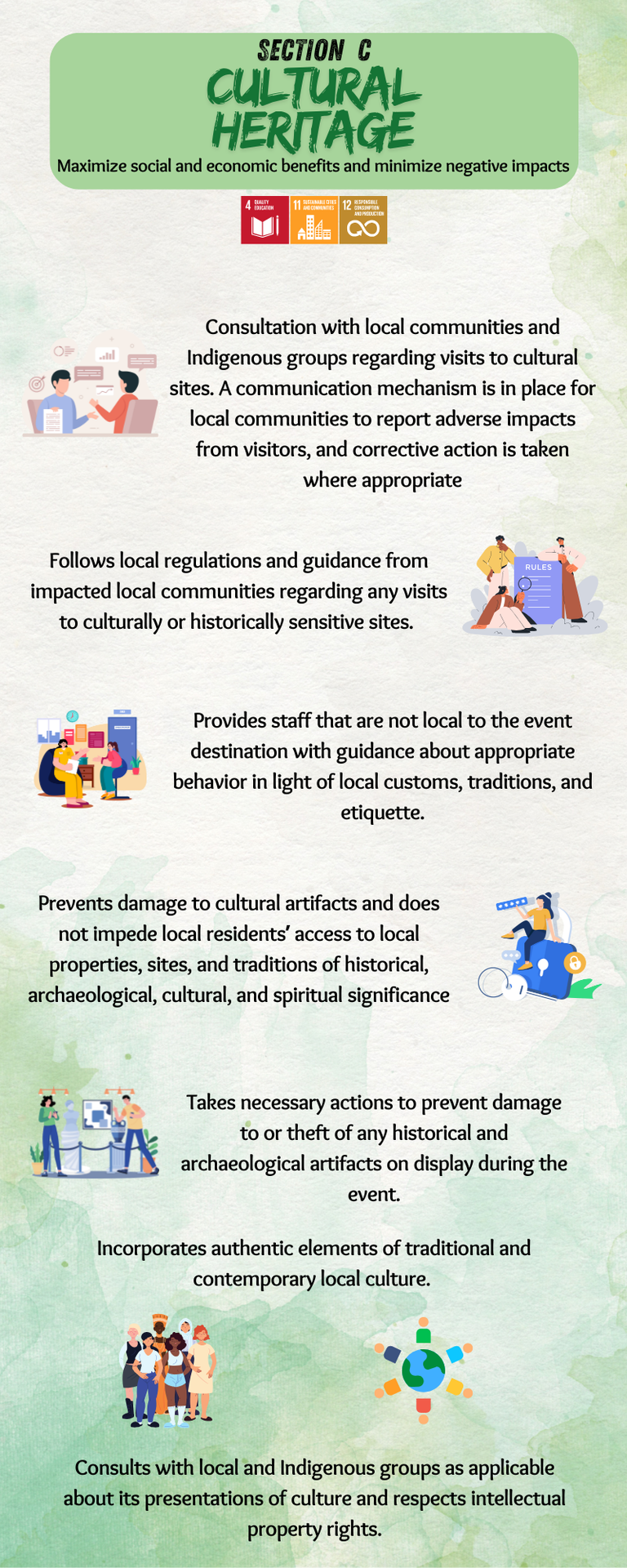
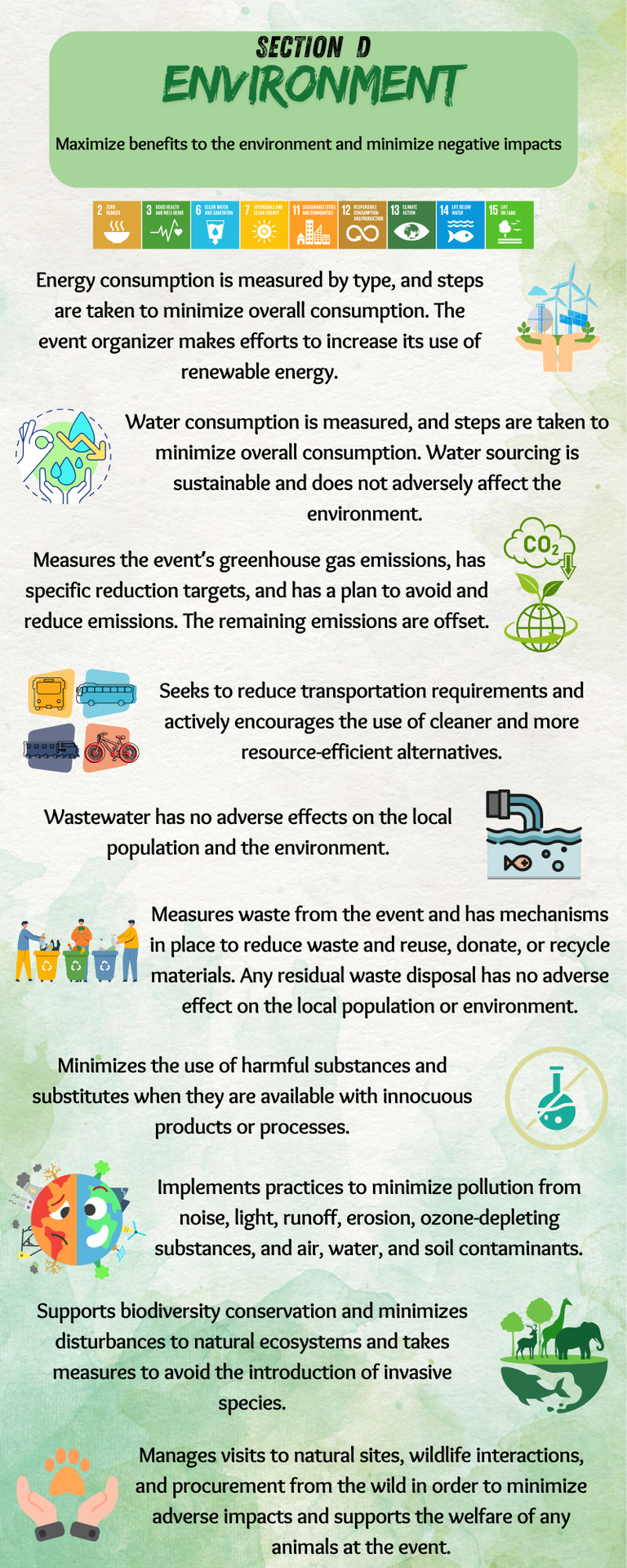
Festivals and events in Ottawa with a commitment to sustainability follow the Global Sustainable Tourism Council standards. The GSTC MICE Criteria (designed for venues, event organizers, events and exhibitions) provide a comprehensive framework that can be adapted to festivals and community events as they grow.
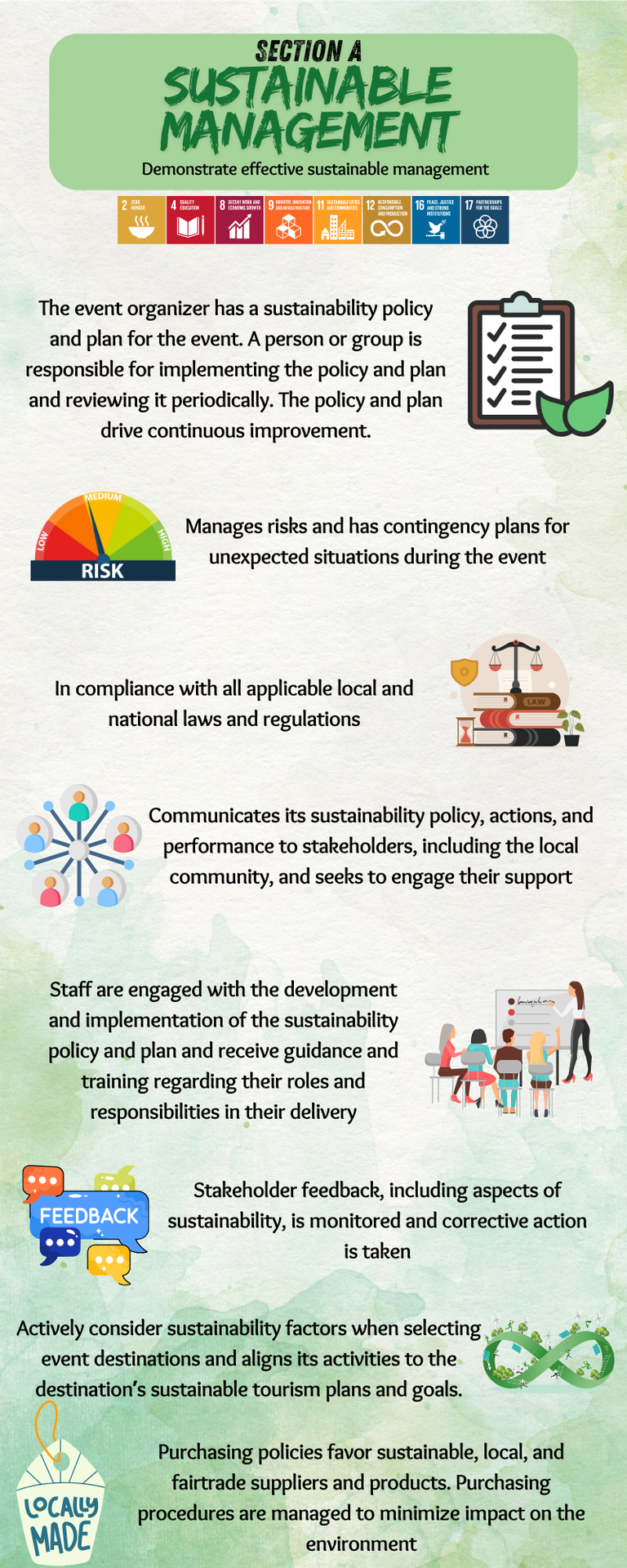
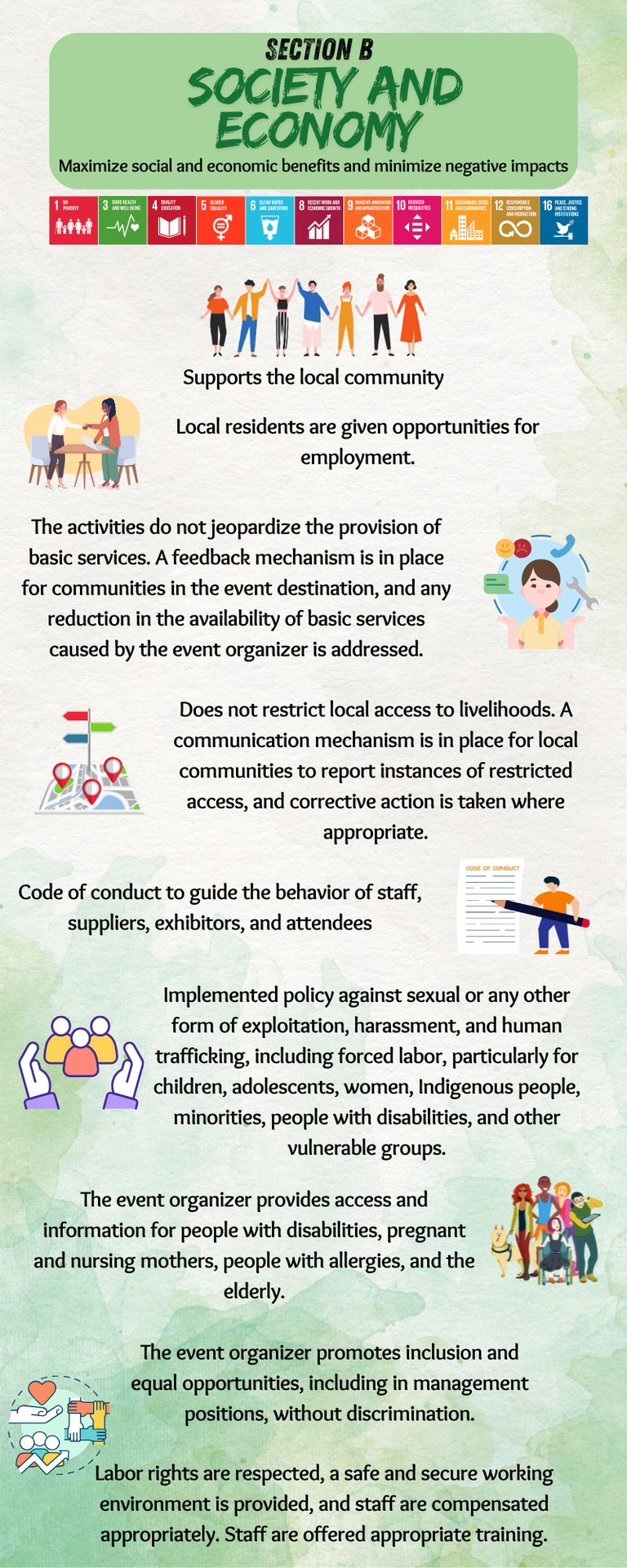
The GSTC MICE Criteria aim to create global sustainability standards and provide a comprehensive framework for the industry. They are organized around four key themes: